Comfort Colors 1566 Mockup Denim 1 Review for Real Projects
If you're an embroidery designer or a small business owner looking to present your custom designs in a realistic and appealing way, the Comfort Colors 1566 Mockup Denim 1 is worth a closer look. This mockup isn’t just another digital image—it's a tool that helps you visualize how your design will sit on a real product before ever stitching it. From a practical standpoint, I’ve tested several denim-based projects over the years, and this one stands out for its balance of realism and usability.
First Impressions: A Timeless Denim Look with Modern Appeal
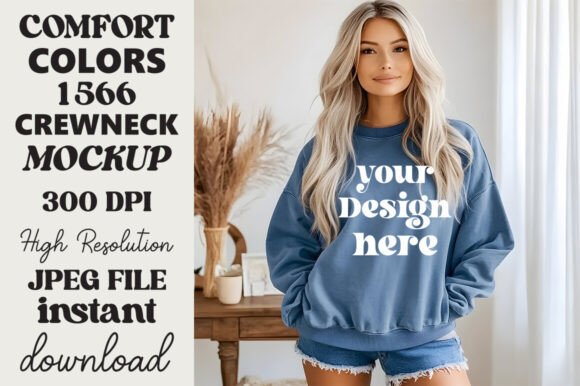
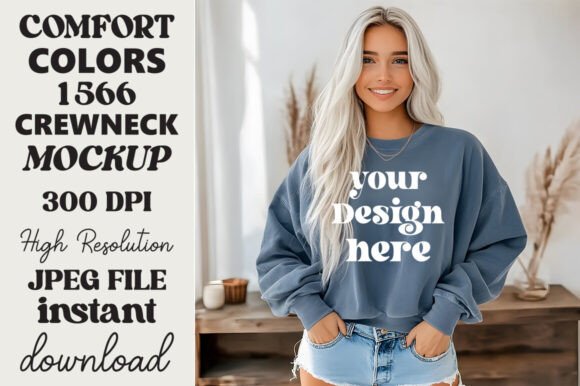
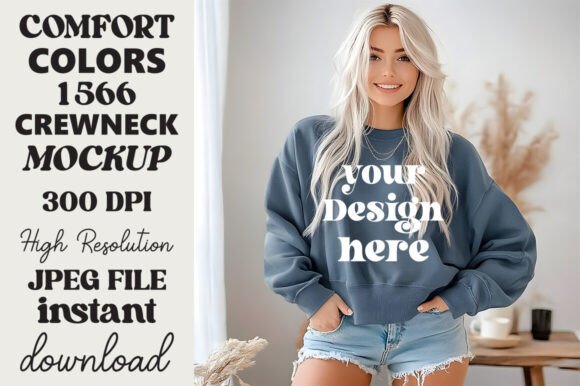
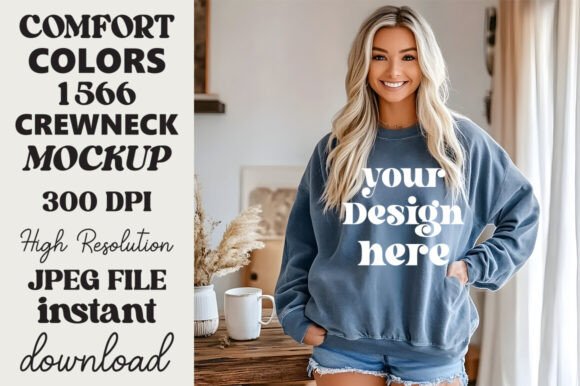
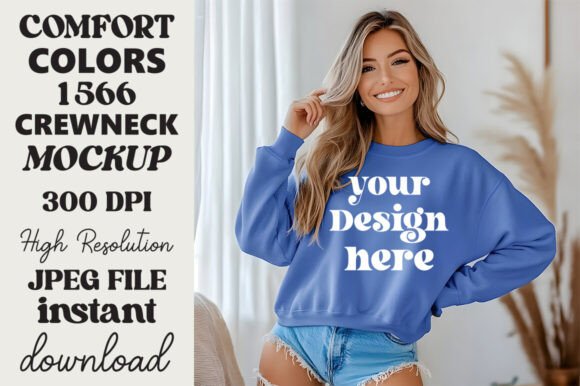
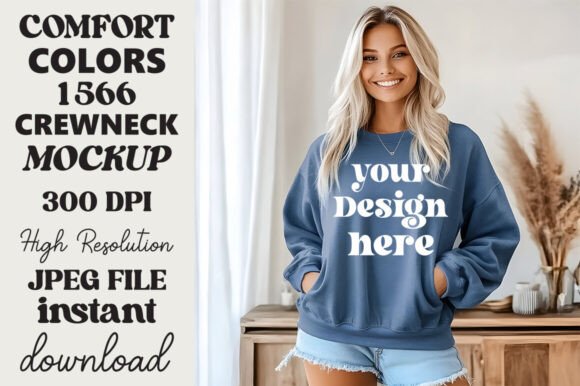
The moment I opened the Comfort Colors 1566 Mockup Denim 1, I was struck by its natural, lived-in feel. The model’s posture and garment drape are subtle but effective—enough to show off the design without feeling overly staged. The background is neutral yet warm, giving it a boutique-style presentation that feels inviting rather than sterile. The lighting enhances the texture of the denim, which is essential when showcasing intricate machine embroidery work like satin stitch outlines or delicate fill patterns.
This mockup carries a relaxed, bohemian vibe thanks to the crewneck sweatshirt style and the softness of the fabric rendering. It suggests a casual, wearable item that would be perfect for branding a small shop or promoting handmade products. The overall layout makes it easy to see where the design elements fall, especially around the chest area—a common spot for logos, monograms, or decorative accents in custom apparel and personalized gifts.
Real-World Performance: Where Does This Design Shine?
As someone who regularly works with both personal and commercial embroidery projects, I find the Comfort Colors 1566 Mockup Denim 1 particularly useful for a few key applications:
- Sweatshirt Embroidery: The mockup mimics a standard Boho Crewneck, making it ideal for showing off embroidered patches, logos, or all-over design patterns. The depth of the fabric and the model’s pose help highlight dimensionality, which is important when using fill stitch or running stitch techniques.
- Tote Bag Designs: If you’re planning to use this mockup for a tote bag project, the positioning of the design allows for a clean preview of placement and scale. It’s also great for visualizing how thread colors pop against a medium-toned denim base.
- Baby Items & Holiday Gifts: While not specifically designed for baby clothes, the soft tone and organic shape make it a good choice for more muted or elegant holiday embroidery projects. Just be sure to adjust your thread colors accordingly if you plan to use pastels or metallics.
- Printable Mockups: For Etsy sellers and craft businesses, this file offers high-quality resolution that translates well into print-ready previews. It gives customers a clear idea of what the finished product will look like, which builds trust and reduces returns.
I’ve used similar mockups for digital embroidery files and found that this one has a slightly better texture rendering compared to many others in the market. That means your embroidered patch or logo will appear as though it’s stitched onto genuine denim, not just a flat surface. This adds authenticity to your product photos, which can really boost buyer engagement.
Cautions and Considerations: When to Use It Carefully
While the Comfort Colors 1566 Mockup Denim 1 is versatile, there are some scenarios where you might want to think twice before using it:
- Small Hoop Sizes: If your design involves tight corners or tiny lettering, double-check whether the mockup can accommodate those details without appearing cluttered or distorted.
- Textured or Stretchy Fabrics: The mockup assumes a smooth denim texture. If your actual project uses a stretchier or coarser material, consider testing the design on a sample before finalizing your presentation.
- Dark Fabric Backgrounds: The mockup shows the design on a light-to-medium denim shade. If your target fabric is darker, you’ll need to adjust the stitch density and thread contrast to ensure visibility.
- Curved Surfaces: Since the mockup is based on a sweatshirt, it may not translate well to curved items like caps or hats unless you manually tweak the perspective.
- Frequent Washing: For items like aprons or tea towels that get washed often, the mockup doesn’t show wear effects. You might want to add aging or fading manually if necessary for the product type.
These limitations aren’t deal-breakers—they simply require a bit of attention to detail. As a designer, I always recommend testing your machine embroidery design on a scrap piece of fabric first. Even the best mockups can’t account for every variable in real-world conditions like fabric texture or environmental factors.
Design Impact: Visual Clarity and Customer Trust
One thing I love about the Comfort Colors 1566 Mockup Denim 1 is how it elevates the perceived value of the finished product. When shown properly, even simple embroidery becomes part of a larger, cohesive brand story. The mockup’s natural lighting and realistic folds help maintain brand consistency across multiple product images, which is vital for online shops and Etsy listings.
From a customer perspective, seeing the design on a real sweatshirt mockup increases giftability and recognition. Whether you're selling personalized gifts or small shop merchandise, the right mockup can make all the difference in buyer confidence. It also helps with handmade presentation, allowing you to showcase your creativity in a professional manner without investing in photo shoots.
Designer Notes: Best Practices for Using Comfort Colors 1566 Mockup Denim 1
To get the most out of this mockup, here are a few tips I’ve picked up from years of working with design assets and product mockups:
- Test on Scrap Fabric First: Especially if you're using a new embroidery file or experimenting with stitch types, like applique design, test it out on a sample before applying it to the mockup.
- Check Thread Color Contrast: Make sure your chosen thread colors stand out against the denim. Sometimes a subtle design looks lost in the fabric grain.
- Review Stitch Density: High-density areas like floral centers or script fonts may need extra care to avoid distortion or puckering in the mockup and in real life.
- Confirm Hoop Size Compatibility: If you plan to use this for actual production, check the hoop size needed for your design. If the information isn’t provided, consult the seller or do a quick test run.
- Inspect Small Details: Zoom in on the mockup to see how fine lines and small text render. This will give you an idea of how they’ll look after stitching.
- Use Black and White Versions: Test your design in grayscale to evaluate how well it holds up without color, especially if you're considering monochrome options.
- Compare Light and Dark Backgrounds: If you’re unsure about thread visibility, create two versions of the mockup—one with a lighter fabric and one with a darker—to compare results.
- Use Proper Stabilizer: In real-life embroidery, stabilizer plays a big role in how your design turns out. Though the mockup doesn’t show this, keep it in mind for your production process.
- Check Licensing Before Selling: If you're planning to sell either the finished product or a digital embroidery file version, make sure the licensing terms allow commercial use. If they don’t specify, ask before proceeding.
A Versatile Tool for Creative Entrepreneurs
For craft fair products, nursery decor, or even commercial embroidery work, the Comfort Colors 1566 Mockup Denim 1 offers a reliable platform for showcasing your creativity. Its understated aesthetic pairs well with minimalist embroidery styles, while still being flexible enough for bold, colorful designs.
I've used it for holiday embroidery projects and found that the denim look gives them a cozy, artisanal feel. It’s also been a hit with clients looking to add a touch of sophistication to their personalized gift lineups. Whether you're a hobbyist or running a full-time craft business, this mockup helps bridge the gap between concept and reality.
Final Thoughts
The Comfort Colors 1566 Mockup Denim 1 is a solid addition to any embroidery designer’s toolkit. It provides a realistic canvas for presenting embroidery project ideas and supports both personal and commercial use when handled correctly. However, it’s not a one-size-fits-all solution. Be mindful of fabric type, lighting, and design complexity when using it for different applications.
In short, if you're aiming to create product mockups that feel authentic and engaging, this design deserves a place in your workflow. Just remember to adapt it to your specific needs and always validate its performance with real fabric tests. With a little preparation, you can turn this mockup into a powerful asset for your handmade shop or digital product sales.