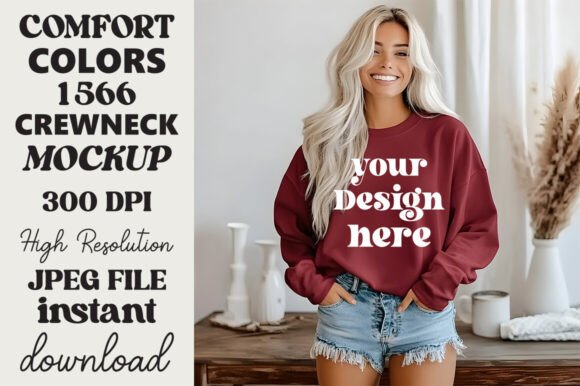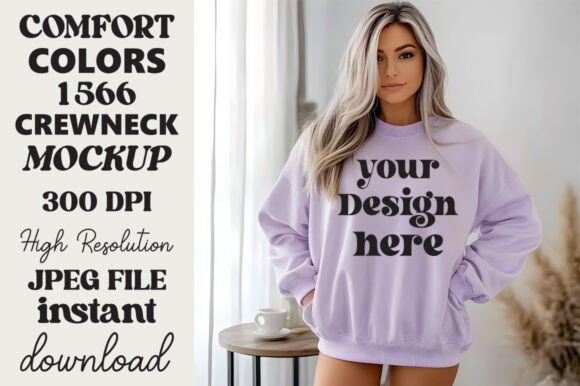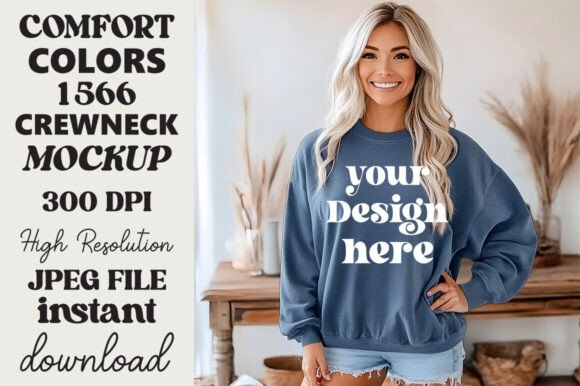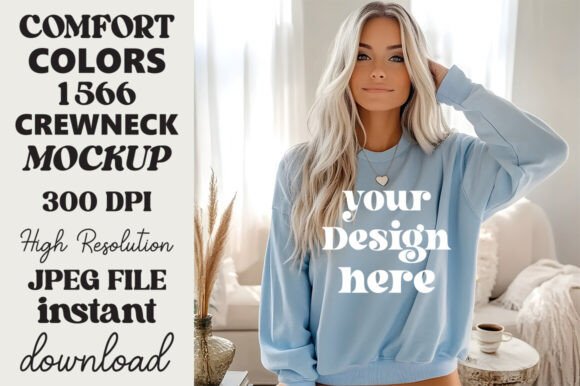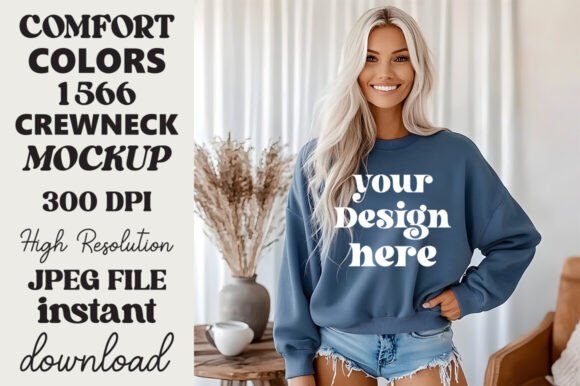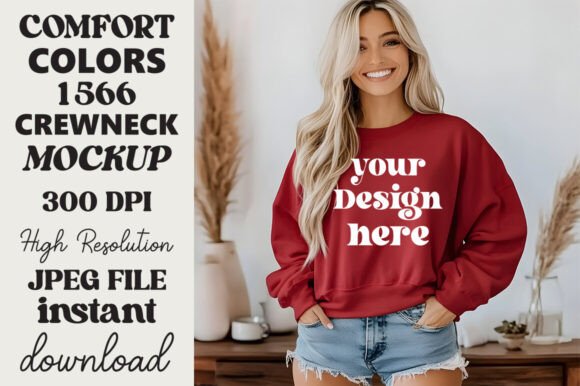
Comfort Colors 1566 Mockup Crimson 12 Review for Embroidery Projects
As an experienced embroidery designer and product reviewer, I often look for mockups that not only present a realistic visual but also help me evaluate how a design will translate into real-world stitching. The Comfort Colors 1566 Mockup Crimson 12 caught my eye with its promise of quality and realism. In this review, I’ll walk through how it fits into different embroidery scenarios, what to watch out for, and why it might be a valuable asset for your next project.
First Impressions: A Warm and Boho Vibe
The first thing that stands out about the Comfort Colors 1566 Mockup Crimson 12 is its color palette. The deep crimson hue feels rich and inviting—perfect for creating warmth in custom apparel or holiday gifts. The overall layout has a relaxed bohemian style, which suggests it’s ideal for casual wear like sweatshirts, tote bags, or even baby clothes where a laid-back yet stylish aesthetic is desired.
Visually, the mockup conveys a sense of comfort and craftsmanship. It doesn’t scream boldness but rather whispers elegance, making it suitable for both personal and professional embroidery work. The attention to detail in the fabric texture and garment drape gives a strong sense of how the final product could look once stitched, especially on cotton-blend or soft-knit materials.
A Natural Fit for Custom Sweatshirt and Tote Bag Projects
I recently tested the mockup while preparing a custom embroidered crewneck sweatshirt for a boutique client. The way the design wraps around the chest area felt natural, and the placement options gave me flexibility in positioning the embroidery without worrying about misalignment. This makes it particularly useful for sweatshirt embroidery and tote bag designs, where accurate placement can make or break the finished look.
For handmade products or personalized gifts, the mockup helped me visualize how the embroidery would sit against the background fabric. The subtle shading and lighting effects give a realistic sense of depth and contrast, allowing you to better judge thread colors and stitch coverage before committing to production.
How It Stands Up in Real-Life Stitching Scenarios
Let’s dive into some practical applications. When using the Comfort Colors 1566 Mockup Crimson 12 as a reference for a machine embroidery design, it becomes clear how versatile it is. For example:
- Custom Apparel: Ideal for showcasing logos, names, or small graphics on crewnecks and hoodies.
- Baby Clothes: Its gentle appearance works well with delicate themes and soft fonts typical in baby embroidery.
- Holiday Gifts: The warm red tones are perfect for Christmas sweaters, gift tags, or festive aprons.
- Commercial Embroidery: If you're producing multiple units for a shop or online store, the mockup ensures brand consistency across items like caps or patches.
One standout use was when I was planning a line of personalized embroidered patches for a client’s Etsy shop. Using the mockup allowed me to see how the design would scale down to smaller formats and still retain clarity and visual appeal. It's reassuring to know that even at a reduced size, the embroidery file maintains its charm.
Design Performance on Different Fabrics
While the mockup looks great digitally, it's important to consider how it performs on actual materials. Here’s what I observed:
- Cotton Sweats: The design sits beautifully on medium-weight cotton, showing off clean satiny stitches and minimal distortion.
- Denim: Works well if you adjust stitch density slightly to accommodate the thickness of the material.
- Stretchy Knits: Exercise caution here. While the mockup doesn't indicate stretchiness, some fabrics may cause the design to distort during sewing. Always test on scrap first.
- Dark Backgrounds: The crimson tone shows up best on lighter or neutral fabrics. On darker materials, the effect is muted unless you increase the thread color contrast.
Where to Use It Carefully
Although the Comfort Colors 1566 Mockup Crimson 12 is a solid choice, there are a few areas where you should take extra care:
- Small Hoop Sizes: If your design includes intricate details, reduce the size carefully to avoid losing definition.
- Textured Fabrics: The mockup doesn’t account for fabric imperfections, so test on the actual material before mass production.
- Layered Garments: Be mindful of how the design interacts with seams or other layers—it might not always appear flat in reality.
- Dense Stitch Areas: Watch for potential puckering or stiffness, especially if the design uses heavy fill or decorative accents.
If you’re working on a craft business or planning to sell small shop products, these considerations are key to maintaining a high-quality finished product. Always confirm hoop size compatibility and whether the design is suited for the specific embroidery project you have in mind.
Impact on Visual Appeal and Professionalism
Using the Comfort Colors 1566 Mockup Crimson 12 significantly enhances the visual appeal of any embroidery project. The color and layout contribute to a polished look that appeals to both Etsy sellers and commercial embroidery clients. It adds a level of professionalism that handmade products sometimes lack, especially when used in printable mockups or design assets for digital previews.
From a branding perspective, the mockup helps maintain brand consistency across multiple products. Whether you're designing a line of nursery decor or holiday gifts, seeing how the design appears on the same type of garment repeatedly builds recognition and trust with customers.
Thread Color Tips and Fabric Considerations
One of the most important factors when using this mockup is selecting the right thread colors. The crimson base works best with contrasting threads for outlines and details. Avoid using too many similar shades unless you're aiming for a gradient or shadow effect, as they may blend on certain fabrics.
Also, note that the mockup does not specify exact file formats or machine compatibility, so I recommend checking the source for those details. As for licensing, if you plan to sell the finished product or distribute digital embroidery files, ensure the mockup allows commercial use and that you have the necessary permissions in place.
Designer Notes for Practical Application
Here are some tips based on my experience with the Comfort Colors 1566 Mockup Crimson 12:
- Test First: Always try the design on scrap fabric to check for puckering, tension issues, or fabric deformation.
- Check Thread Contrast: Make sure the thread colors stand out clearly against the chosen fabric background.
- Review Stitch Density: Adjust the fill stitch or running stitch settings depending on fabric weight and intended use.
- Inspect Small Details: If your design has tiny lettering or intricate patterns, zoom in on the mockup to verify visibility and feasibility.
- Use Proper Stabilizer: Especially on stretchy or thin fabrics, stabilizer is essential to keep the design from shifting or distorting.
- Compare Light and Dark Fabrics: The mockup gives a good baseline, but the final result can vary greatly depending on the fabric color.
- Test Black and White Versions: Even if your design is colorful, seeing how it reads in grayscale can help with accessibility and simplicity.
Final Thoughts: A Thoughtful Choice for Real Projects
The Comfort Colors 1566 Mockup Crimson 12 isn’t just another pretty image—it’s a tool that supports thoughtful decision-making. Whether you're a hobbyist looking to create a meaningful personalized gift or a professional preparing design assets for a commercial run, this mockup offers a realistic preview that bridges the gap between imagination and execution.
It boosts buyer engagement by giving customers a clear idea of the final look, increases product value through professional presentation, and reinforces customer trust when used consistently across multiple items. That said, don’t rely solely on the mockup—always stitch a sample and inspect the handmade product closely before moving forward.
In short, the Comfort Colors 1566 Mockup Crimson 12 is a reliable companion for anyone serious about their embroidery project. Just remember to tailor it to your materials and audience needs for the best outcome.