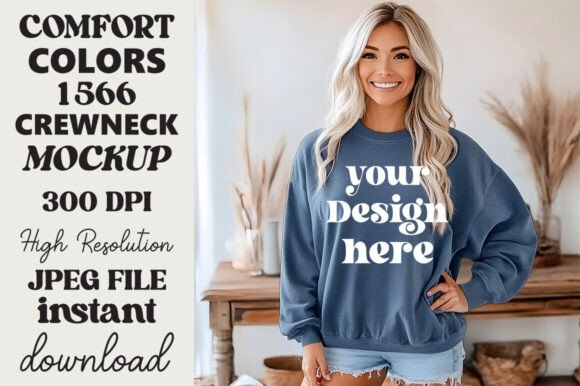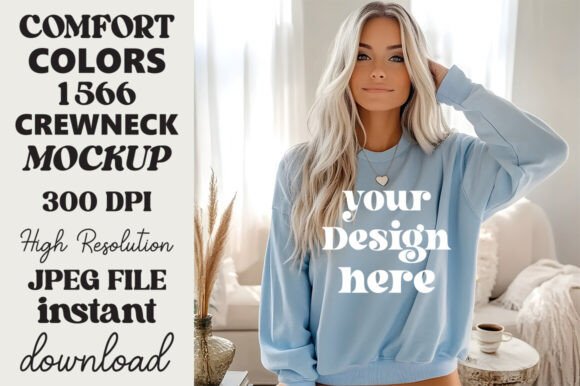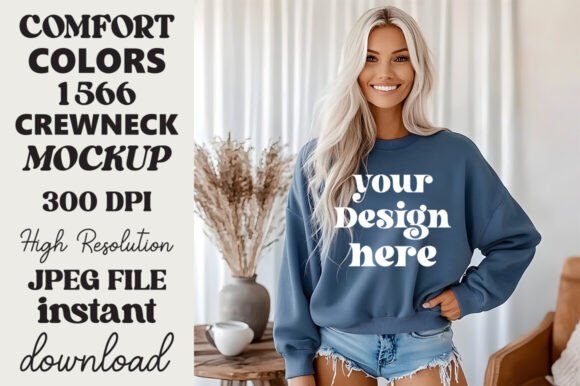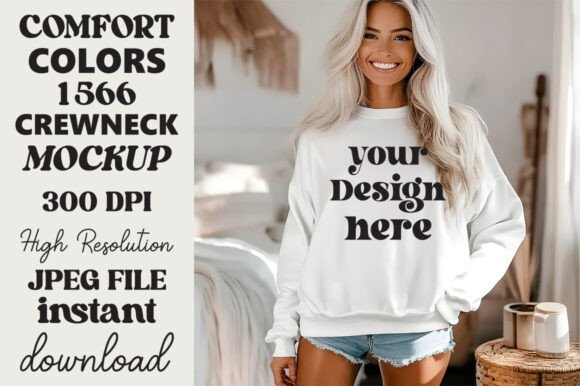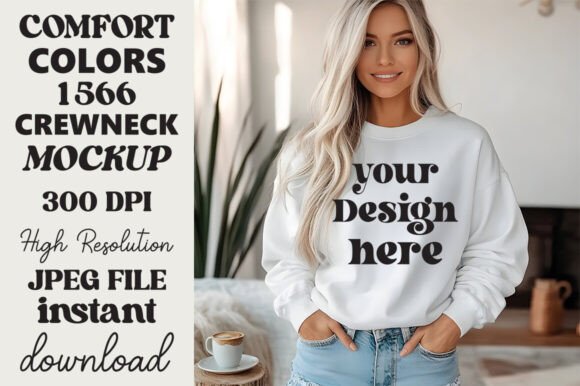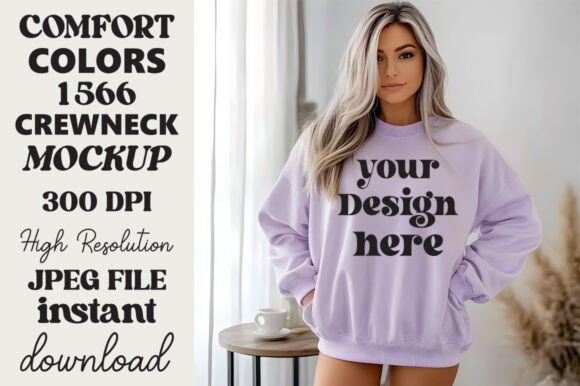
Comfort Colors 1566 Mockup Orchid 1 Review for Embroidery Projects
As an experienced embroidery designer and product reviewer, I’ve had the chance to work with a wide variety of machine embroidery designs, from intricate holiday motifs to minimalist logos. When I first opened the Comfort Colors 1566 Mockup Orchid 1 file, it caught my eye with its soft curves and natural flow. The design exudes a relaxed, bohemian vibe that feels right at home on casual apparel and handmade gifts. Let’s dive into what makes this embroidery file stand out—and where it might need a little more attention.
Aesthetic First Impressions: What You See Matters
The Orchid 1 design immediately gives off a sense of calm and elegance. Its layout is balanced yet organic, which is a big plus when you're looking to add personality without overwhelming the piece. The level of detail in the petals and leaves is just enough to make it feel handcrafted but not so dense that it becomes hard to manage during stitching.
This kind of visual personality fits best on items like sweatshirts, tote bags, or aprons—places where a touch of nature-inspired art can really shine. If you're planning a sweatshirt embroidery project or even a custom baby blanket, the orchid motif has a warmth and familiarity that appeals to a broad audience. It's versatile, but it also has a clear theme that works well in curated collections or boutique branding efforts.
Real-Life Application: Tote Bag Project Test Case
To put the Comfort Colors 1566 Mockup Orchid 1 through its paces, I tested it on a medium-weight cotton canvas tote bag—a common choice for crafters and Etsy sellers. The result was satisfying: the design stitched cleanly with minimal distortion, and the colors (when applied using appropriate thread shades) maintained their vibrancy and clarity.
I noticed that the stitch density was moderate, which is ideal for cotton-like fabrics. Too much density would risk puckering, while too little could lead to gaps between stitches. This balance makes it suitable for a range of handmade products, especially if you’re aiming for something that looks professionally done but still retains a personal touch.
On a white background, the orchid stood out beautifully, but I also tried it on a light gray tote for a subtler look. Both versions worked well, showing the adaptability of the design across different fabric tones. For those considering holiday embroidery or personalized gifts, this flexibility is a major asset.
Performance in Real Embroidery Situations
If you're working on custom apparel, particularly crewneck sweatshirts or long-sleeve tees, this design brings a nice amount of texture without being too fussy. It’s not overly busy, so it won’t distract from other elements like names, dates, or logos that you might want to pair with it. That said, it’s detailed enough to elevate a simple garment into something memorable.
- Tote Bags: The design adapts well to larger surfaces, making it perfect for reusable totes, grocery bags, or promotional merchandise.
- Sweatshirts & Tees: With proper stabilizer and tension settings, it can be used effectively on both cotton and cotton-blend materials.
- Baby Clothes: While the design itself isn’t specifically tailored for infants, it can be scaled down and paired with softer fonts for a gentle, whimsical nursery or baby gift.
- Patches & Aprons: As an applique design, it performs admirably. Just ensure your backing material supports the stitch type and weight of the design.
- Commercial Use: The mockup format is great for digital previews, allowing Etsy sellers and small shop owners to showcase how the final finished product will look before customers purchase.
One thing I appreciate is how the Boho Crewneck Sweatshirt Mocks in the bundle help visualize placement. It's always reassuring to see how the design interacts with real-world garment shapes and folds.
Where to Use It Carefully
While the Comfort Colors 1566 Mockup Orchid 1 is a solid addition to your design assets, there are a few areas where extra caution is needed:
- Small Hoop Sizes: If you plan to use it in a tiny hoop, such as for a keychain or embroidered patch, scaling it down too much may lose some of the delicate line details.
- Textured or Stretchy Fabrics: On knits or heavily textured materials, the satin-stitched petals may distort slightly unless you adjust tension or stabilize carefully.
- Dark Fabric Backgrounds: The color contrast of the design matters here. I recommend checking the thread color options and testing on a dark sample to ensure visibility.
- Curved Surfaces: When applying the design to a curved surface like a cap or sleeve, consider splitting the design or adjusting the stitch directions to prevent pulling.
- Dense Stitch Areas: The center of the flower has tighter fill stitches, so if you're using a thin or loosely woven fabric, adding a bit more cutaway stabilizer is a good idea.
These aren't deal-breakers, but they do highlight the importance of tailoring the design to the specific embroidery project. Always test on scrap fabric first, especially if you're new to the design or the fabric type.
Visual Appeal and Branding Value
In terms of visual appeal, the Orchid 1 design adds a touch of sophistication without being too flashy. This makes it a strong fit for both personal and commercial projects. Whether you're creating a personalized wedding gift or branding a line of small shop products, the design maintains a professional and cohesive look.
What stands out most is how it enhances the product value. Even on a basic tote, the finished result feels premium. Customers tend to associate quality with thoughtful, well-executed embroidery, and this design delivers that impression. It also helps with customer trust—a clean, recognizable design tells buyers that you care about presentation and detail.
For craft business owners, the ability to create consistent, high-quality handmade products is crucial. This design supports brand consistency when used repeatedly across similar items, helping build recognition over time.
Designer Notes: Best Practices for Use
Here are a few practical tips based on my experience with the Comfort Colors 1566 Mockup Orchid 1:
- Test on Scrap Fabric: Especially if you're planning to scale or reposition the design. This helps avoid surprises when stitching the final item.
- Check Thread Color Contrast: Ensure your chosen threads pop against the base fabric. A black-and-white preview can help assess visibility.
- Review Stitch Density: Adjust fill or satin stitch spacing if needed, depending on the fabric thickness and desired effect.
- Confirm Hoop Size: If you don't have the exact hoop size listed in the description, double-check that your machine can accommodate the full design area.
- Inspect Small Details: Look closely at the inner lines of the petals and the stem. These are subtle but important for the overall aesthetic.
- Use Proper Stabilizer: Especially on stretchy or lightweight materials. Tear-away alone might not be enough for certain applications.
- Compare Light and Dark Backgrounds: The design’s appearance changes significantly depending on the fabric color, so it's worth testing both extremes.
- Check Licensing Before Selling: If you're using this in a commercial embroidery setting, confirm whether the Graphics included allow for resale or mass production.
Also, remember that the Product Mockups provided are helpful tools for showcasing your digital embroidery file in action. They give potential buyers a realistic view of how the design will appear once stitched, which is essential for online shops and printable mockups.
Final Thoughts: A Design That Works Hard and Looks Good
The Comfort Colors 1566 Mockup Orchid 1 is a reliable, visually appealing machine embroidery design that suits a variety of embroidery projects. It's not the kind of pattern that demands attention—it quietly elevates the item it’s placed on. This makes it ideal for creators who want to add a meaningful touch without overpowering the rest of the design.
Its giftability factor is high, especially around holidays or special events. People love floral designs for birthdays, weddings, or even as part of a self-care kit. And for handmade shop owners, the ability to present a consistent, attractive embroidered patch or tote bag design can increase buyer engagement and repeat sales.
Overall, I’d say this is one of those embroidery files that deserves a spot in your library. It’s not just about the design itself but how it contributes to the professionalism and finished product you deliver. Just take the time to understand its strengths and limitations, and you’ll find yourself reaching for it again and again.