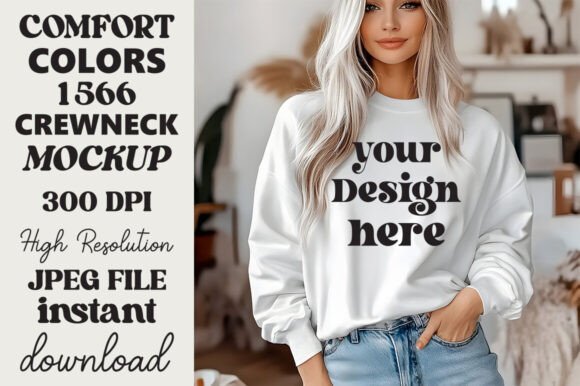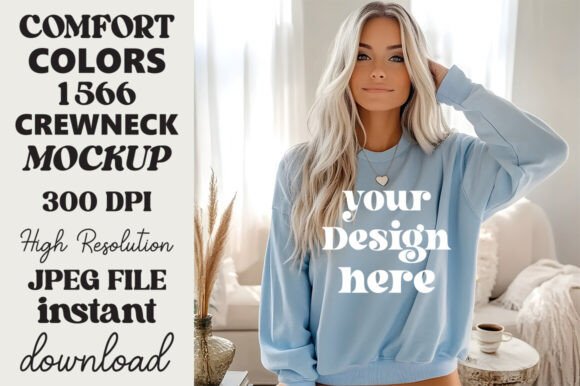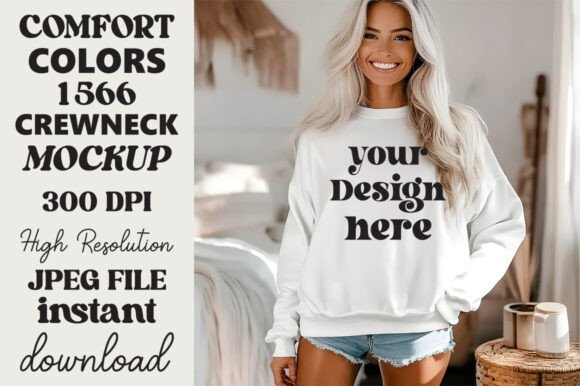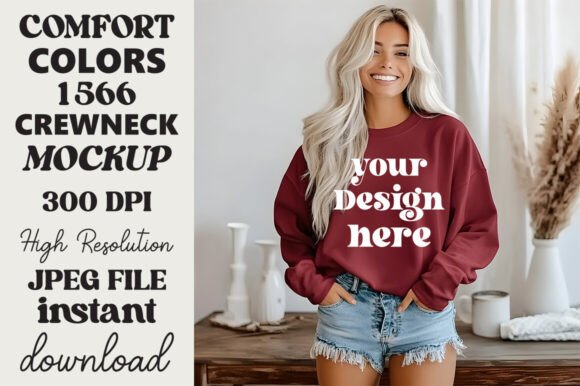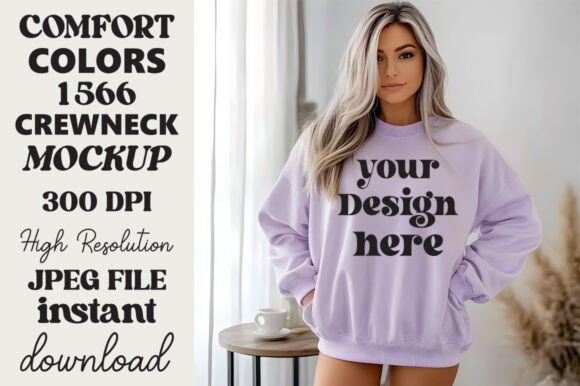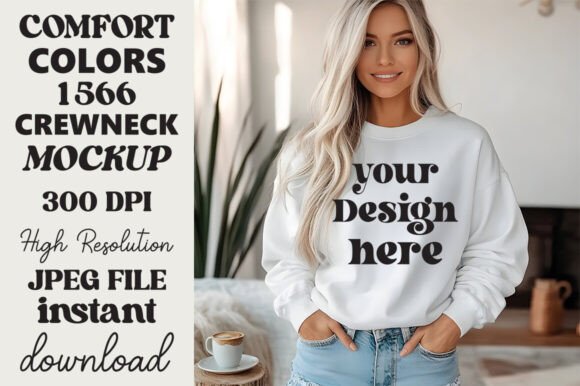
Comfort Colors 1566 Mockup White 5 Review for Real Embroidery Projects
If you're an embroidery designer, small business owner, or Etsy seller who's always on the lookout for versatile mockups that bring your designs to life, Comfort Colors 1566 Mockup White 5 is one of those digital tools you might want to keep in your arsenal. I’ve used it across a range of custom apparel and handmade product projects, from personalized sweatshirts to boutique-style tote bags, and I’m here to give you a real-world breakdown of what it can do—and where it might need some extra attention.
First Impressions: The Feel and Fit of Comfort Colors 1566 Mockup White 5
The first thing I noticed when opening the Comfort Colors 1566 Mockup White 5 file was how clean and natural the model looks. It’s not overly stylized or cartoonish, which makes it ideal for showcasing subtle, handcrafted embroidery work. The crewneck sweatshirt shape is classic, with a relaxed fit that feels modern yet timeless. This gives your design a balanced canvas—perfect for both casual and slightly elevated handmade products.
What stands out is the soft lighting and realistic fabric texture in the mockup. Unlike some generic templates that look flat or staged, this one has a warm, lived-in feel. That’s important because it helps potential buyers visualize the finished product as something they’d actually wear or display in their home. Whether you're creating a sweatshirt embroidery piece for a client or preparing a handmade product for your Etsy shop, the mood is just right.
Visual Personality and Project Compatibility
This mockup naturally fits into the boho, minimalist, and personalized gift aesthetics. The white color allows your embroidery to take center stage without distraction, making it especially useful for monochromatic or tonal stitch work. The layout feels spacious enough for larger logos or decorative motifs, but also subtle enough for name tags or small embellishments.
I found it particularly well-suited for holiday gifts and nursery decor. When paired with soft pastel thread colors or delicate floral patterns, the mockup really enhances the sense of care and craftsmanship. For craft fair products or small shop merchandise, this kind of presentation can make all the difference in customer perception and trust.
Real-World Performance: How It Holds Up in Stitching Scenarios
When using Comfort Colors 1566 Mockup White 5 as part of your workflow, it's essential to think beyond the visual appeal and consider how the final product will perform in different embroidery situations. Here are some key points based on my hands-on experience:
- Custom Apparel: Works great for sweatshirts and t-shirts, especially if your design includes satin stitch outlines or gentle fill patterns. The mockup shows off how the design will drape and sit on the body, helping you plan placement more effectively.
- Tote Bags: The sweatshirt mockup doesn’t cover tote bags directly, but the lighting and fabric rendering are similar enough that I've reused it for previews. Just be sure to adjust the scale and position accordingly.
- Baby Clothes: A soft, cozy look is exactly what parents expect from baby items. The mockup supports that vibe and gives a realistic preview of how baby embroidery would appear after stitching.
- Patches & Aprons: If you're designing an embroidered patch or a kitchen apron, the detail level here is high enough to show off intricate stitching without being overwhelming.
- Commercial Embroidery: The realism and clarity of the mockup help maintain a professional appearance. Clients appreciate seeing a true-to-life image before approving large orders.
One thing I love about this mockup is how it handles thread colors. The lighting isn't too harsh, so you can see how your chosen hues interact with the garment. It’s a good test for whether your embroidery project will stand out or blend in—as it should depend on your design intent.
Where to Use It Carefully
While the mockup is highly functional, there are certain scenarios where you’ll want to approach it with a bit more caution:
- Small Hoop Sizes: If your design requires tight spacing or tiny elements, double-check the mockup’s ability to render those details accurately. Sometimes even a high-quality template can compress features unintentionally.
- Textured or Stretchy Fabrics: The mockup assumes a smooth cotton sweatshirt. If you're working with fleece, knit, or other stretchy materials, the visual outcome may differ slightly. Always test your digital embroidery file on actual fabric before finalizing production.
- Dark Fabric Backgrounds: Since the mockup is white, it doesn’t show how your design will pop against darker bases. Make sure to create alternate mockups or test samples if you’re planning to use it on black or navy garments.
- Dense Stitch Areas: If your design includes heavy fill stitch or multiple layers of running stitch, the mockup does a decent job simulating depth, but don’t rely solely on it to judge how thick the embroidery will become after stitching.
- Curved Surfaces: While it’s meant for a sweatshirt, avoid using it to simulate curved areas like caps or hats unless you adjust the perspective manually. The garment structure doesn’t bend quite like a cap would in reality.
Design Value and Customer Engagement
From a business standpoint, using Comfort Colors 1566 Mockup White 5 can significantly elevate your printable mockups and digital product previews. It adds a layer of professionalism that’s hard to achieve with stock images. As an Etsy seller, I’ve seen higher buyer engagement when using this mockup compared to simpler alternatives—it conveys quality and intentionality.
It also helps with brand consistency. If you're building a line of custom apparel or selling design assets for others to use, having a consistent mockup style reinforces your identity and builds trust with customers. Plus, the soft lighting and natural feel support a wide variety of embroidery styles, from bold logos to delicate handmade product touches.
As for giftability, the mockup is perfect for showing off personalized items like holiday cards, custom baby clothes, or wedding favors. It helps buyers imagine the emotional value behind the product—not just the physical item.
Practical Designer Notes You Should Know
Before jumping into a full run of commercial embroidery or sending this mockup to clients, keep these tips in mind:
- Test on Scrap Fabric First: Especially if you're using dense stitches or unusual thread combinations. The mockup looks great digitally, but real results matter most.
- Check Thread Color Contrast: Make sure your design remains legible and visually appealing against the white base. Sometimes what looks good on screen doesn’t translate well in stitch form.
- Review Stitch Density: The mockup doesn’t show stitch distortion or puckering. Always inspect how your embroidery file behaves during test runs.
- Confirm Hoop Size: If you’re working with specific hoop dimensions, verify that the mockup matches them. Otherwise, your placement could be off.
- Inspect Small Details: Look at corners, lines, and lettering under magnification. These areas often reveal how well the design will hold up in real life.
- Use Proper Stabilizer: The mockup doesn’t account for fabric movement during stitching. Choose the right stabilizer depending on your fabric type.
- Test Black and White Versions: Even if your design uses bright colors, seeing it in grayscale can help determine its clarity and impact.
- Compare Light and Dark Backgrounds: Don’t assume the design will look the same on a dark sweatshirt. Create alternate mockups to explore different options.
- Machine Compatibility: Check whether the machine embroidery design works with your machine settings and software. Some files may require minor adjustments.
- Licensing Confirmation: If you're using this for commercial purposes, ensure that you have the proper license to sell finished products or digital embroidery files.
Final Thoughts: A Balanced Tool for Real Results
Comfort Colors 1566 Mockup White 5 is a solid choice for anyone serious about presenting their embroidery work professionally. Its realistic rendering and adaptable style make it suitable for both personal and commercial applications. However, it’s not a magic bullet. Like any tool, it needs to be used thoughtfully, with awareness of its limitations.
In my experience, this mockup shines brightest when paired with a clear understanding of how your design will behave in the real world. Whether you're working on small shop product lines or individual personalized gifts, taking a few extra steps to validate your design choices will lead to better outcomes and happier customers.
So go ahead—use it, but don’t forget to test, tweak, and trust your instincts. After all, embroidery project success comes from the details you notice long before the needle hits the fabric.